

Dating ideas for first date can be tricky to come up with, but there are plenty of options to choose from if you’re willing to think outside the box. Whether you’re looking for a fun activity to do together or a more unique setting to get to know each other, there are plenty of first date ideas that will help you make a good impression.
First Date Ideas: How to Make a Good Impression?
A first date is a great opportunity to make a good impression. After all, you want to impress your date and make them want to see you again. Here are some first date ideas to help you make a great impression.
- Dress to impress. First impressions are important, so make sure you look your best. Choose an outfit that makes you feel confident and comfortable.
- Be yourself. Don’t try to be someone you’re not. Be genuine and let your date get to know the real you.
- Be a good listener. Show your date that you’re interested in them by being a good listener. Ask questions and pay attention to what they say.
- Be respectful. Respect your date’s boundaries and don’t push them to do anything they’re not comfortable with.
- Have fun. A first date should be enjoyable, so make sure you relax and have fun.
What to Do on a First Date?
A first date can be a nerve-wracking experience, especially if you don’t know what to do whether you met in person or through Japanese dating sites. The best way to approach a first date is to keep it casual and fun. There’s no need to put pressure on yourself or your date. Instead, focus on enjoying the moment and getting to know each other.

There are plenty of things you can do on a first date. You can go for a walk in the park, go out for coffee, or even just stay in and watch a movie. The important thing is to keep the date light and enjoyable. Avoid topics that might make either of you feel uncomfortable, such as exes or politics. Instead, stick to topics that will help you get to know each other better.
First dates can be a great opportunity to get to know someone new. So relax, have fun, and enjoy the moment.
First Date Tips for Men
First dates can be both exhilarating and nerve-wracking, especially for men. The key to a successful first date is to relax and be yourself. Here are some first date tips for men to help make the most of the occasion.
Arrive on time and well-groomed. First impressions count, so make sure you arrive on time and looking your best. Dress to impress, but don’t overdo it – you don’t want to look like you’re trying too hard.
One of the best ways to keep a conversation flowing is to be a good listener. Ask your date questions about herself and really listen to the answers. Not only will this make her feel good, but you’ll also get to know her better.

Women love compliments, so don’t be afraid to give them. Compliment her on her dress, her hair, or her smile. Just make sure your compliments are genuine and honest.
Hold doors open for her, pull out her chair, and let her order first. These small gestures will show her that you’re a gentleman and that you care about her.
Make her laugh. humor is a great way to break the ice and keep the conversation flowing. If you can make her laugh, you’re sure to have a good time.
End the date on a good note. Thank her for a great time and let her know you’re looking forward to seeing her again. This will leave her wanting more and she’ll be eager to see you again.
First Date Tips for Women
A first date can be a nerve-wracking experience, especially for women. You want to make a good first impression, but you don’t want to come across as being too desperate or needy. Here are some first date tips for women that will help you make the best impression possible.
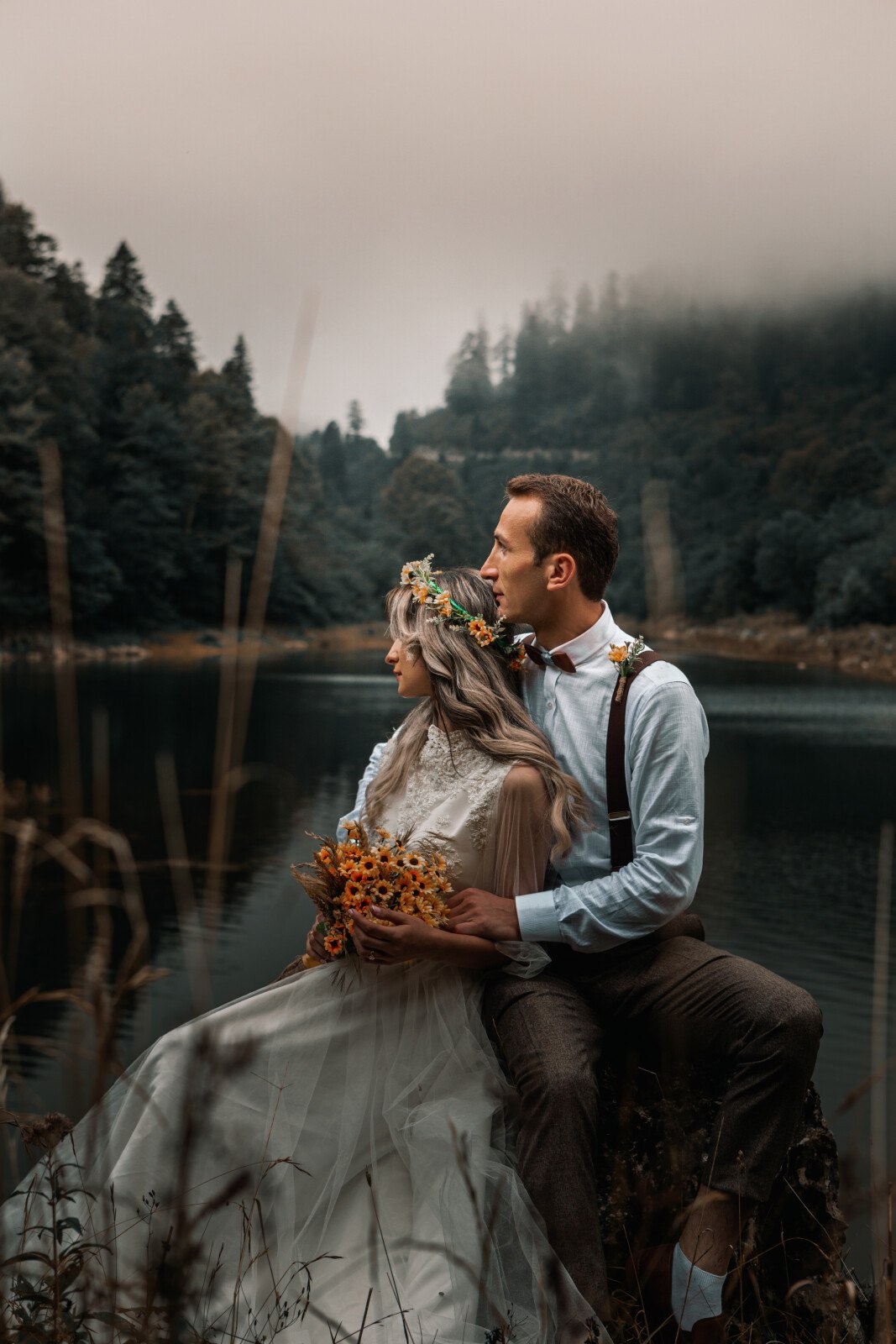
- Dress to impress. First impressions are everything, so you want to make sure you look your best. Choose an outfit that makes you feel confident and comfortable.
- Be yourself. Don’t try to be someone you’re not. Be confident and honest about who you are. If you’re not comfortable being yourself, the date will be a disaster.
- Don’t talk about your ex. This is a major turn-off for most people. If you must talk about your ex, keep it brief and positive.
- Be a good listener. Ask your date questions and actually listen to the answers. Show that you’re interested in getting to know them better.
- Make sure you have a good time. Relax and enjoy yourself. A first date should be fun, not stressful. If you’re not having a good time, it’s likely that your date isn’t either.
How to Act on a First Date?
On a first date, it is important to make a good impression. Here are some tips on how to act on a first date:
Be yourself. It is important to be genuine and authentic. Don’t try to be someone you’re not. Be respectful. Treat your date with respect and courtesy. Listen to what they have to say and be interested in their life and experiences. -Be a good conversationalist. Keep the conversation flowing by asking questions and sharing stories. -Be positive. First dates can be nerve-wracking, but try to relax and enjoy yourself. Be positive and optimistic, and your date will likely mirror your attitude. -Don’t get too personal. First dates are usually pretty superficial, so avoid delving into deep, personal topics. Stick to lighthearted conversation. -Don’t get drunk. It is important to remain in control of your faculties. Drinking too much can make you say or do things you might later regret. -End on a good note. Thank your date for their time and say that you had a good time. This will leave them with a positive impression.
What to Wear on a First Date?
What you wear on a first date can say a lot about you. Your clothing choices can be a reflection of your personality and can either make or break the first impression you give off.
If you’re going on a first date with someone you met online, it’s important to remember that you don’t know this person very well. You want to make sure that you’re comfortable, but you also want to look your best.

One option is to wear something that you feel confident in. This could be a dress, a nice blouse, or a pair of slacks. You want to avoid wearing anything that is too revealing or that makes you feel uncomfortable.
Another option is to dress according to the type of date you’re going on. If you’re going to a fancy restaurant, you may want to dress up a bit more than you would for a casual coffee date. However, you also don’t want to overdress and look out of place.
Whatever you choose to wear, make sure that you feel comfortable and confident in your outfit. This will help you relax and enjoy your date.
First Date Conversation Starters
First dates can be both exciting and nerve-wracking. You want to seem interesting and engaging, but you also don’t want to come across as being too intense or interrogative. Asking the right questions can help you get to know your date better while also providing a sense of levity and easing any awkwardness. Here are some first date conversation starters to help get the ball rolling:
- What’s your favorite TV show or movie?
- What kind of music do you like?
- What’s your favorite food?
- What’s your favorite hobby?
- What’s your favorite place to travel?
- What’s your favorite thing to do on a weekend?
- What’s your favorite book or author?
- What’s your favorite movie genre?
- What’s your favorite sports team?
- What’s your favorite type of food?
These questions can help you get to know your date better and help you decide if you’re compatible. If you find that you’re not compatible, don’t worry – there are plenty of other fish in the sea!
How to End a First Date?
You’ve had a great time on your first date and you want things to end on a high note. Here are a few ideas on how to end a first date.
One option is to simply thank your date for a lovely evening and say goodnight. This is a nice, polite way to end things and your date will appreciate your graciousness.
Another option is to invite your date back to your place for coffee or a drink. This is a more forward approach and your date may not be ready for this level of intimacy. But, if things have been going well, your date may be open to the idea and you can take things to the next level.
If you’re feeling daring, you can always go in for a kiss. This is definitely a bold move and you should only do it if you’re sure your date is into you. But, if the chemistry is there, a kiss can be a perfect way to end a first date.
Whatever you do, make sure you end things on a positive note. Thank your date for their time and let them know you had a great time. This will leave your date wanting more and eager to see you again.